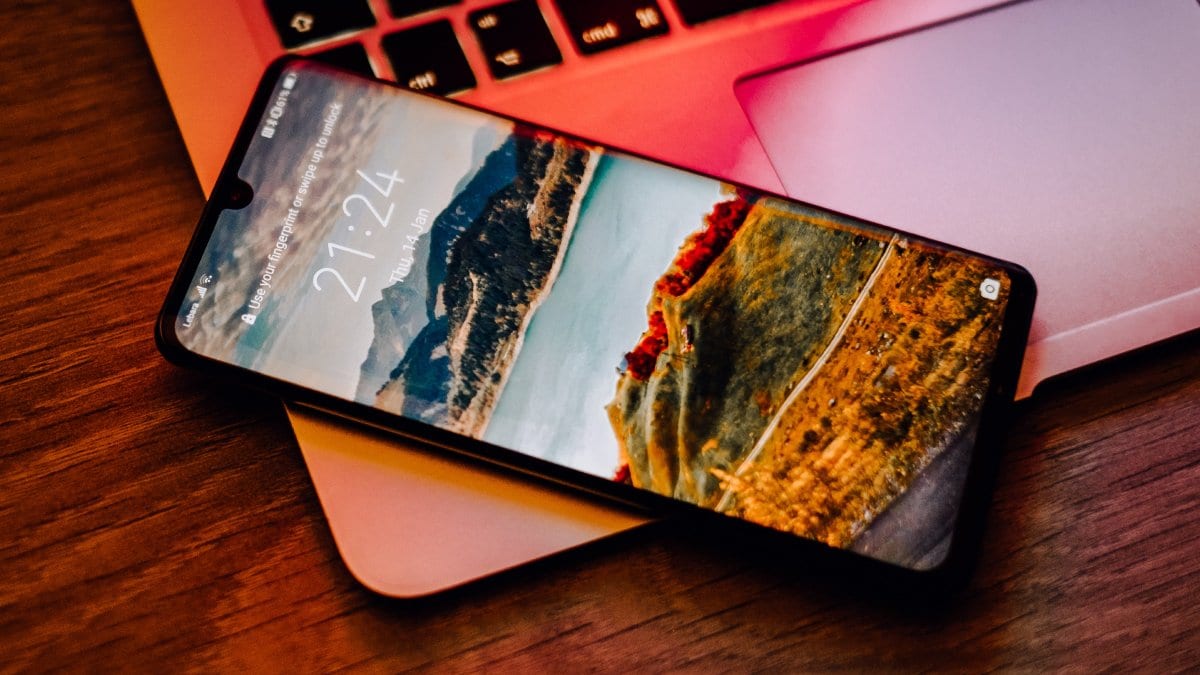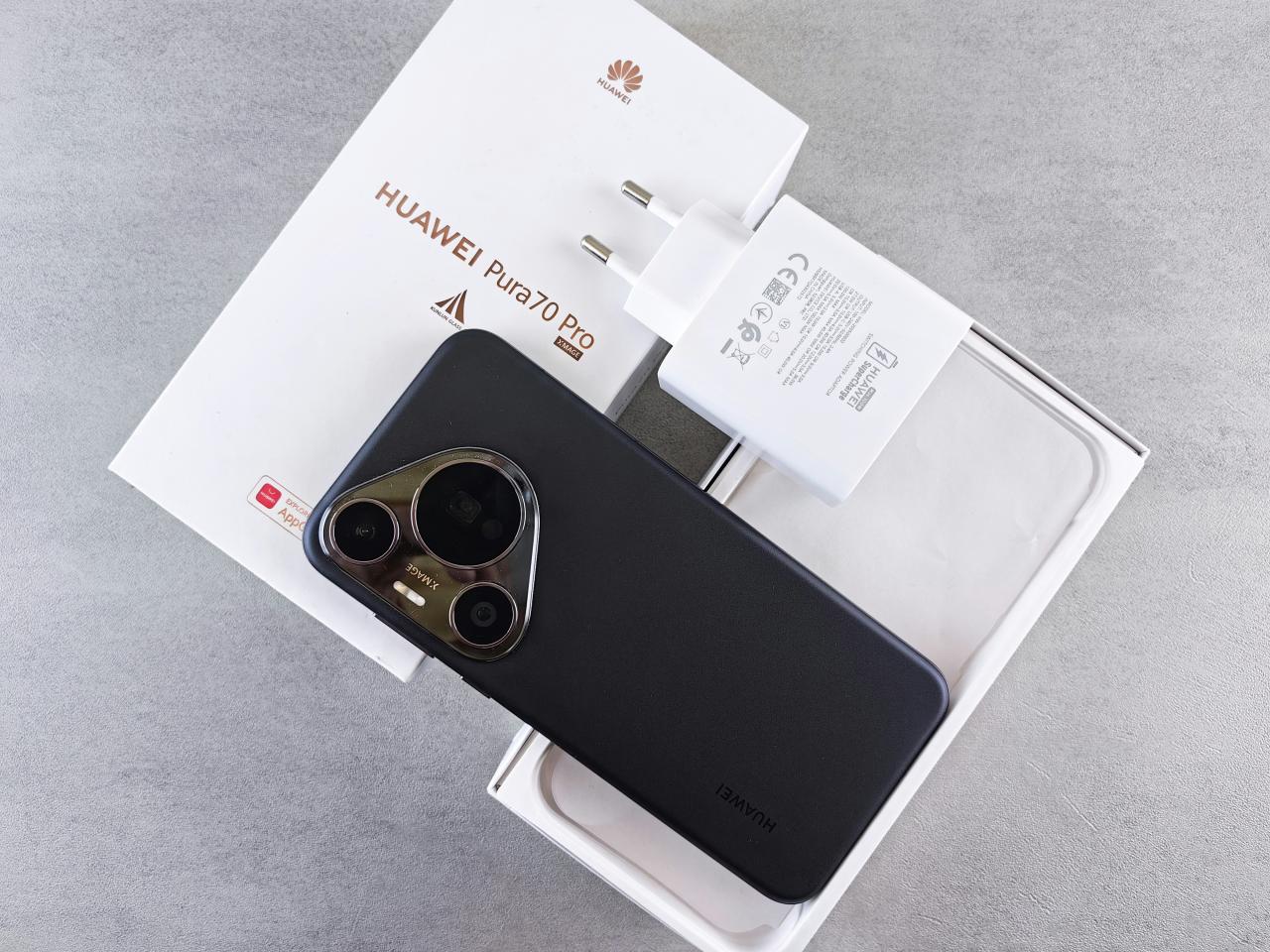
The rapid evolution of mobile technology has transformed the smartphone from a simple communication tool into a high-performance workstation that fits in the palm of your hand. When we discuss flagship performance in the modern era, we are looking at a complex harmony between cutting-edge silicon, sophisticated thermal management, and highly optimized software. Evaluating these devices requires more than just looking at a spec sheet; it involves testing how these components behave under sustained stress and real-world workloads. Consumers today are increasingly tech-savvy, demanding devices that can handle intensive gaming, professional-grade video editing, and seamless multitasking without breaking a sweat.
As manufacturers push the boundaries of what is possible, the definition of “flagship” continues to shift toward a more holistic user experience. This article will delve deep into the technical nuances that separate the true performance leaders from the rest of the pack. We will explore how chipset architecture, memory speeds, and display technologies converge to create the next generation of mobile excellence. Understanding these factors is essential for anyone looking to invest in a device that will remain fast and reliable for several years to come.
The Heart of Performance: Chipset Architecture
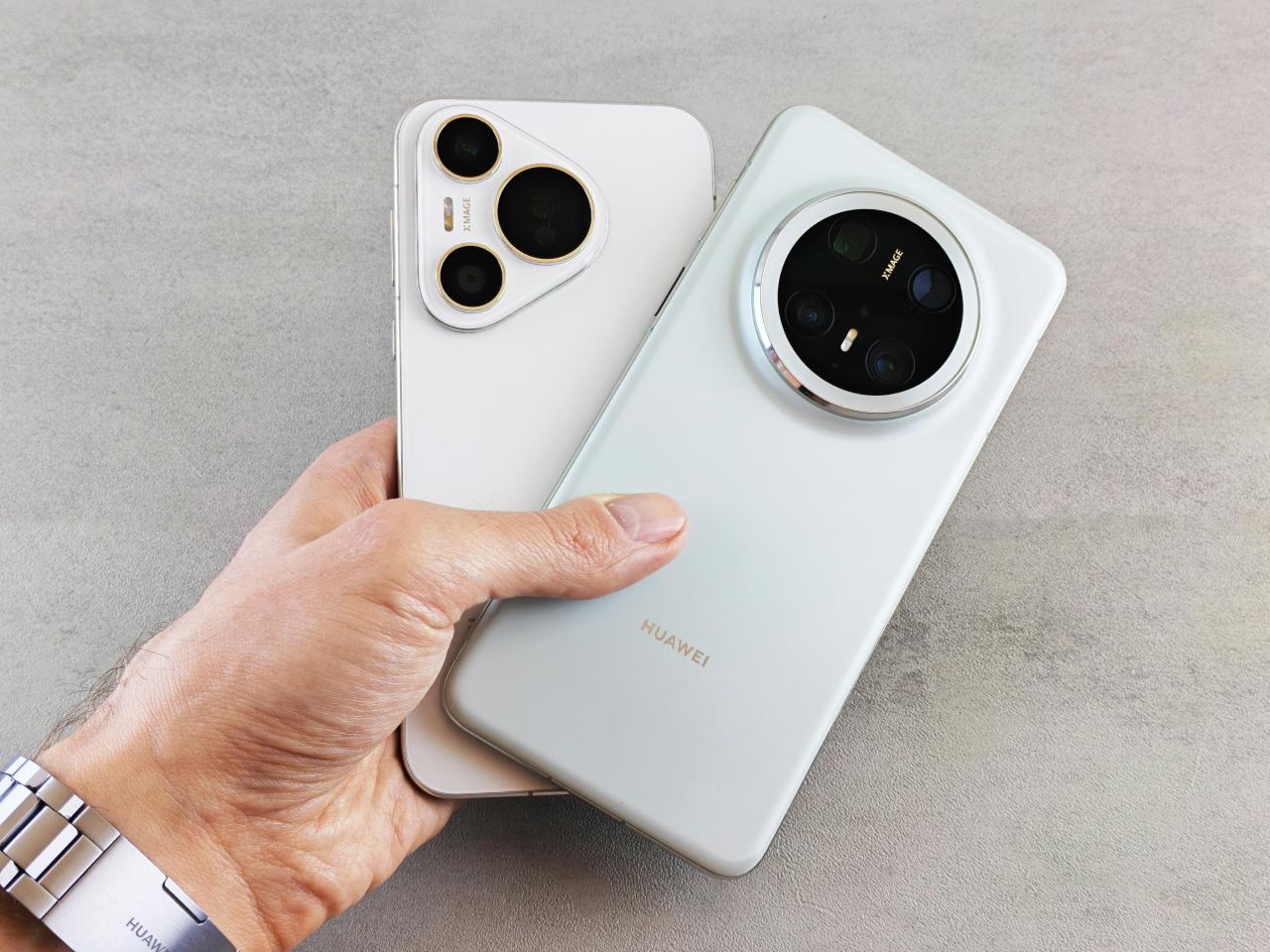
At the center of every next-gen flagship is a System on a Chip (SoC) that acts as the brain of the device. Modern chipsets are now built on incredibly small fabrication processes, often measuring only a few nanometers, which allows for billions of transistors to be packed into a tiny space. This miniaturization is the primary driver of both power efficiency and raw computational speed.
Evaluating a chipset involves looking at its core configuration, which usually follows a “big.LITTLE” architecture. This means the processor has high-performance cores for demanding tasks and high-efficiency cores for background activities. This balance ensures that the phone doesn’t drain its battery while performing simple actions like sending a text message.
A. Instruction Per Clock (IPC) Gains
Modern processors focus on doing more work with every single clock cycle. This allows the phone to feel faster even if the raw clock speed hasn’t increased significantly compared to previous models.
B. Neural Processing Units (NPU)
Dedicated hardware for artificial intelligence is now a standard feature in flagship chips. These units handle tasks like real-time photo enhancement and voice recognition without taxing the main CPU.
C. Graphics Processing Power
The GPU in a flagship device must be capable of rendering complex 3D environments at high refresh rates. This is crucial for mobile gamers who demand desktop-level visuals on a mobile screen.
D. Integrated 5G Modems
A true flagship must offer superior connectivity speeds and stability. Modern modems are integrated directly into the SoC to save space and reduce power consumption during data transfers.
E. Fabrication Process Efficiency
The smaller the nanometer node, the less heat the processor generates. This efficiency is what allows modern phones to be thin while still offering massive amounts of power.
Memory and Storage: The Speed of Data
While the CPU handles the calculations, the memory (RAM) and storage determine how quickly the device can access and move data. Flagship phones now utilize LPDDR5X RAM, which offers significantly higher bandwidth than older standards. This allows for near-instant app switching and the ability to keep dozens of browser tabs open in the background.
Storage technology has also seen a massive leap with the introduction of UFS 4.0. This standard offers read and write speeds that rival many high-end desktop solid-state drives. When your storage is fast, the entire operating system feels more responsive, from booting up the device to loading massive game files.
A. RAM Capacity vs. Management
While having 12GB or 16GB of RAM is impressive, how the software manages that memory is just as important. Optimized software ensures that the most important apps stay in memory without draining the battery.
B. Read and Write Throughput
The faster the storage can move data, the less time you spend looking at loading screens. This is particularly noticeable when saving 4K or 8K video files directly to the device.
C. Virtual RAM Expansion
Some devices use a portion of the internal storage to act as “virtual” RAM. While not as fast as physical memory, it helps prevent app crashes when the system is under extreme load.
D. Lower Latency Standards
Newer memory standards reduce the time it takes for the CPU to request and receive data. Lower latency translates directly into a more “fluid” feel when navigating the user interface.
E. Storage Longevity and Wear Leveling
Flagship-grade storage is designed to last for years without slowing down. Sophisticated controllers manage how data is written to ensure the flash memory doesn’t wear out prematurely.
Thermal Management and Sustained Power
One of the biggest challenges in smartphone design is heat. Because phones do not have fans, they must rely on passive cooling solutions to dissipate the heat generated by the processor. If a phone gets too hot, it will “throttle,” which means it intentionally slows down the processor to cool off.
A true flagship performance evaluation must include a stress test to see how long the phone can maintain its peak speed. Advanced vapor chambers and graphite sheets are now commonly used to spread heat across the entire body of the phone. This prevents “hot spots” that can be uncomfortable to hold and damaging to internal components.
A. Vapor Chamber Cooling
Large copper chambers filled with liquid help move heat away from the chipset very quickly. This technology is essential for maintaining high frame rates during long gaming sessions.
B. Software Thermal Governors
The operating system constantly monitors internal temperatures and adjusts performance in real-time. The best flagships find a balance that keeps the phone cool without noticeably lagging.
C. Graphite and Graphene Sheets
These materials are incredibly efficient at conducting heat. By layering them behind the screen and the back panel, manufacturers can increase the surface area available for cooling.
D. Active Cooling Accessories
Some gaming-focused flagships offer external fans that clip onto the back of the device. This allows the phone to run at “overclocked” speeds for extended periods without overheating.
E. Efficiency-to-Heat Ratio
The most impressive phones are those that deliver high performance while generating minimal heat. This is usually the result of a perfectly optimized 4nm or 3nm chipset.
Display Technology: The Visual Interface
The display is the primary way we interact with a smartphone’s power. Next-gen flagships utilize LTPO (Low-Temperature Polycrystalline Oxide) panels, which can dynamically adjust their refresh rate. This means the screen can run at 120Hz for smooth scrolling and drop down to 1Hz when looking at a static photo to save energy.
Brightness is another key metric, with some flagship displays reaching over 2,500 nits of peak brightness. This ensures that the screen remains perfectly legible even under direct sunlight. Color accuracy and HDR support also play a massive role in the “premium” feel of a high-end device.
A. Adaptive Refresh Rates
This technology provides the smoothness of a high refresh rate without the typical battery drain. It is one of the most important display innovations in recent years.
B. Peak Brightness and Outdoor Legibility
A high nit count is essential for visibility in bright environments. It also enhances the dynamic range when watching HDR content.
C. Touch Sampling Rates
This measures how often the screen looks for your finger’s input. A high touch sampling rate makes the phone feel more “instant” and is a major advantage in competitive gaming.
D. Color Gamut and Calibration
Professional-grade displays cover 100% of the DCI-P3 color space. This ensures that the colors you see on your screen are accurate to real life.
E. Pulse Width Modulation (PWM) Dimming
High-frequency dimming reduces eye strain for users who are sensitive to screen flickering at low brightness levels. This is a subtle but important comfort feature.
Software Optimization and User Experience
Raw hardware power means nothing if the software is bloated or poorly optimized. The best flagship experiences come from manufacturers who tightly integrate their software with the hardware. This allows the system to prioritize resources for the app currently in use while putting background processes to sleep.
Artificial intelligence also plays a major role in software performance. Predictive algorithms can learn which apps you use at certain times of the day and “pre-load” them into memory. This makes the phone feel faster the longer you own it, as it adapts to your specific habits.
A. Operating System Fluidity
A well-optimized OS will have consistent animations and no “micro-stutters.” This level of polish is what defines a premium user experience.
B. Background Process Management
Aggressive RAM management can save battery but might close apps too early. The best software finds a middle ground that keeps your favorite tools ready at all times.
C. AI-Driven Resource Allocation
The system intelligently boosts the CPU clock speed when it detects a demanding task is starting. This provides power only when it is needed, preserving battery life.
D. Security and Update Longevity
Performance also includes how long the phone stays secure and functional. Manufacturers who provide 5 to 7 years of updates offer much better long-term value.
E. Ecosystem Integration
The ability to seamlessly move tasks between your phone, tablet, and laptop is a major performance multiplier. This “hidden” performance increases your overall productivity.
Battery Life and Charging Speeds
Powerful hardware requires a significant amount of energy. Flagship phones must balance battery capacity with the physical constraints of a thin device. Most modern flagships aim for at least a 5,000mAh battery, which is usually enough to last through a full day of heavy use.
Charging speeds have also become a major part of the performance conversation. We are seeing devices that can charge from 0% to 100% in under 30 minutes. This “refill” speed changes how people use their phones, as they no longer need to plug them in overnight.
A. Wired Charging Standards
Proprietary charging technologies allow for massive power intake without damaging the battery. This is achieved by splitting the battery into two cells that charge simultaneously.
B. Wireless and Reverse Wireless Charging
The convenience of wireless charging is a staple of the flagship category. Some phones can even act as a wireless charger for your earbuds or smartwatch.
C. Battery Health Management
Smart charging algorithms prevent the battery from sitting at 100% for too long. This extends the total lifespan of the battery over several years of use.
D. Screen-on-Time Efficiency
This metric tells you how long the phone can actually be used before the battery dies. It is a more accurate measure of performance than just the total battery size.
E. Energy Impact of Modern Features
Features like Always-on Displays and 5G can drain power quickly. Flagship software must optimize these features so they don’t compromise the user’s daily experience.
Camera Performance and Image Processing
The camera system is often the most expensive part of a flagship phone. Performance here is determined by the size of the sensor and the capability of the Image Signal Processor (ISP). Large sensors allow more light to enter, which is the key to high-quality photos in low-light conditions.
Computational photography is where the real magic happens. The phone takes multiple frames in a fraction of a second and merges them to create a single, perfect image. This requires an immense amount of processing power that only flagship chips can provide.
A. Optical vs. Digital Zoom
Periscope lenses allow for high-quality zoom without making the phone bulky. This is a hallmark of “Ultra” flagship devices.
B. Video Stabilization and Bitrates
Recording 8K video requires massive amounts of data to be processed in real-time. Sophisticated stabilization algorithms ensure the footage is smooth even without a gimbal.
C. Sensor Shift Stabilization
Moving the actual sensor instead of the lens provides much better stabilization for both photos and videos. This technology was originally found in professional DSLR cameras.
D. Post-Processing Latency
A fast phone should show you the processed image almost immediately after you press the shutter button. Any delay here makes the camera feel slow and clunky.
E. Variable Aperture Systems
Some high-end phones can change the physical opening of the lens. This allows for better control over the “bokeh” effect and low-light performance.
The Impact of 5G and Connectivity
Next-gen smartphones are designed to be “always connected” at the highest possible speeds. This involves more than just 5G; it also includes support for the latest Wi-Fi 7 and Bluetooth 5.4 standards. These technologies provide lower latency and higher reliability in crowded areas.
Connectivity performance is vital for cloud gaming and high-definition video streaming. A phone with a weak antenna system will struggle even if it has the fastest processor in the world. Flagships use complex antenna arrays that wrap around the frame to ensure a strong signal regardless of how you hold the device.
A. Millimeter Wave (mmWave) Support
In certain urban areas, mmWave can provide speeds faster than most home fiber connections. This represents the peak of mobile connectivity performance.
B. Wi-Fi 7 Bandwidth
The latest Wi-Fi standard allows for significantly faster data transfer within your home or office. This is crucial for backing up large files to the cloud.
C. Low-Energy Bluetooth Standards
Newer Bluetooth versions allow for high-quality audio streaming with very little battery drain. It also improves the reliability of connections to smartwatches and trackers.
D. Dual-Frequency GPS
By using two different signals from satellites, flagships can provide much more accurate location tracking. This is especially helpful in “urban canyons” with many tall buildings.
E. Ultra-Wideband (UWB) Technology
UWB allows for precise spatial awareness, making it easier to find lost items or unlock your car as you walk up to it.
Conclusion

Evaluating flagship performance is a journey through the most advanced consumer technology available today. The hardware must be powerful enough to handle any task while remaining efficient enough to last all day. True performance is not just about a single high score in a benchmark test. It is about how the phone feels during the hundreds of interactions we have with it every day. Thermal management and software optimization are the unsung heroes of a great mobile experience. A flagship device should feel just as fast three years from now as it does the day you unbox it.
The integration of AI and professional-grade cameras has made the smartphone our most versatile tool. Choosing the right device requires understanding how these different technologies work together. The competition between manufacturers continues to drive innovation at an incredible pace. Next-gen hardware is paving the way for new experiences in augmented reality and mobile gaming. Investing in a flagship means investing in a device that enhances your productivity and creativity. The future of mobile technology is bright and filled with even more impressive performance leaps. The smartphone remains the most personal and powerful piece of technology in our daily lives.