The modern business landscape is moving at a speed that was once considered impossible for large-scale organizations to maintain. For many years, enterprise growth was often hindered by the sheer weight of manual administrative tasks and fragmented communication silos. Today, the rise of sophisticated automation software has completely rewritten the rules of corporate productivity and operational excellence. Companies are no longer asking if they should automate, but rather how quickly they can integrate these tools into their core workflows. This transition is not merely about replacing human effort; it is about liberating talent from repetitive drudgery to focus on high-level strategic innovation.
As artificial intelligence and cloud computing continue to mature, the potential for streamlining complex business processes has reached an all-new peak. Organizations that fail to adopt these digital transformations risk becoming obsolete in an increasingly competitive global market. Mastering the ecosystem of automation tools is now a mandatory requirement for any leader aiming to achieve sustainable and scalable success. This article provides a comprehensive deep dive into the specific technologies and strategies that are currently driving the next wave of enterprise efficiency.
The Strategic Shift Toward Robotic Process Automation
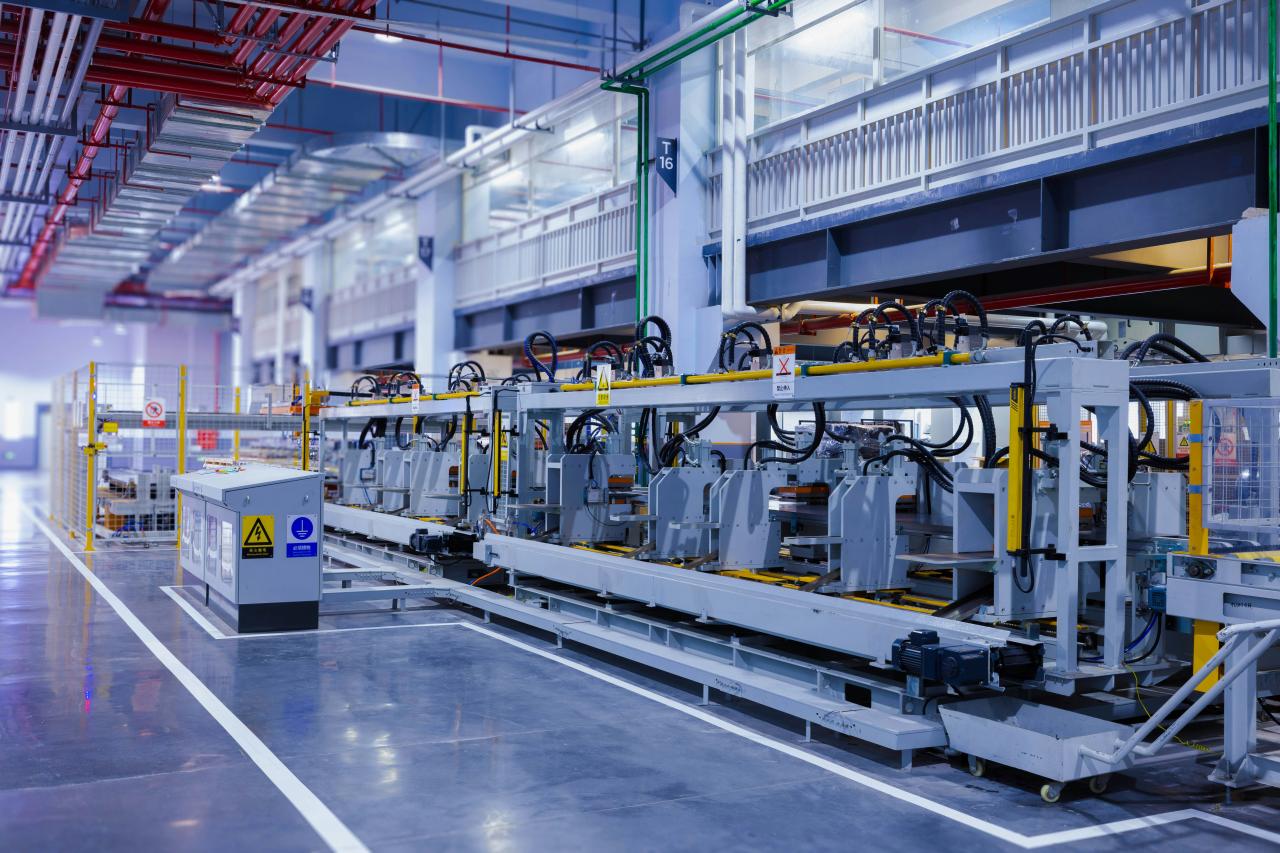
Robotic Process Automation, or RPA, has become the cornerstone of modern back-office optimization for major corporations worldwide. Unlike traditional software, RPA tools are designed to mimic human actions within digital systems to complete high-volume, repetitive tasks. This includes everything from data entry and invoice processing to the complex task of reconciling financial records across multiple platforms. By deploying “bots” to handle these chores, enterprises can achieve a level of accuracy and speed that is simply unattainable by human workers alone.
A. Streamlining Financial and Accounting Workflows
Automation tools can instantly scan incoming invoices, verify them against purchase orders, and route them for approval without any manual intervention. This reduces the payment cycle from weeks to mere minutes while virtually eliminating the risk of human error in data transcription. It also ensures that the company remains in constant compliance with tax regulations and internal auditing standards.
B. Enhancing Human Resources Administration
The onboarding process for new employees often involves dozens of forms, account creations, and background checks that can overwhelm HR departments. RPA can automate the distribution of these documents and the setup of internal credentials across various software suites. This allows HR professionals to spend more time on cultural development and employee engagement rather than pushing digital paperwork.
C. Optimizing Supply Chain Logistics
In the world of logistics, timing and data accuracy are the two most critical factors for maintaining a healthy bottom line. Automation software can track inventory levels in real-time and automatically trigger reorder requests when stocks hit a specific threshold. This prevents both costly overstocking and the disastrous “out-of-stock” scenarios that can damage a brand’s reputation.
The Power of AI-Driven Intelligent Workflows
While basic automation follows pre-set rules, intelligent automation utilizes artificial intelligence to make decisions based on changing data. This represents the next frontier of software applications, where the tools can actually learn from historical patterns to predict future outcomes. Intelligent workflows allow a business to be proactive rather than reactive, identifying potential bottlenecks before they cause a disruption.
A. Predictive Analytics for Customer Service
Modern customer relationship management (CRM) tools use AI to analyze customer behavior and predict which individuals are at risk of churning. The software can then automatically trigger a personalized discount or a follow-up call to retain that specific client. This level of precision allows marketing teams to focus their energy where it will have the highest return on investment.
B. Dynamic Resource Allocation
For service-based enterprises, managing staff schedules and project workloads is a constant balancing act that often leads to burnout or inefficiency. AI-driven automation can analyze project requirements and current staff availability to create the most efficient work plan possible. It can even adjust these plans in real-time as new priorities emerge or deadlines shift.
C. Intelligent Document Processing
Traditional OCR technology often struggles with handwritten notes or poorly formatted documents, but AI-powered tools can “read” with context. These applications can extract meaningful data from a wide variety of unstructured sources, such as legal contracts or medical records. This makes the data searchable and actionable, turning a mountain of paperwork into a valuable digital asset.
Scalable SaaS Architecture and Cloud Integration
The shift from on-premise software to Software as a Service (SaaS) has been a primary driver of enterprise flexibility. Cloud-integrated tools allow teams to collaborate from anywhere in the world, ensuring that productivity is never tied to a physical office. This architecture also allows for “horizontal scaling,” where a company can add more users or processing power instantly as their needs grow.
A. Breaking Down Data Silos
One of the biggest obstacles to efficiency is when different departments use software that cannot communicate with one another. Modern cloud integration platforms act as a “universal translator,” allowing data to flow seamlessly between your marketing, sales, and production tools. This ensures that every team member is looking at the same “single source of truth” when making decisions.
B. Reducing IT Infrastructure Overhead
By moving to the cloud, enterprises no longer need to maintain expensive local servers or employ massive teams of hardware technicians. The SaaS provider handles all security updates, hardware maintenance, and software patches, allowing the company to focus on its core mission. This converts a large capital expenditure into a predictable and manageable monthly operating expense.
C. Real-Time Collaboration Tools
Project management software in the cloud allows for real-time updates that keep global teams aligned on complex deliverables. Features like shared boards, instant messaging, and automated status reports ensure that no task falls through the cracks. It also provides managers with a “bird’s eye view” of all ongoing projects, making it easier to spot and resolve delays.
Customer Experience Automation and Personalization
In the digital age, customer expectations have reached an all-time high, with people demanding instant responses and personalized service. Automation tools allow enterprises to meet these demands at scale without significantly increasing their headcount. By automating the “first line” of customer interaction, companies can provide 24/7 support that feels personal and helpful.
A. The Evolution of Intelligent Chatbots
Gone are the days of frustrating, script-based bots that could only answer basic questions. Modern conversational AI can understand intent and sentiment, allowing it to solve complex issues or escalate them to the right human agent. This ensures that customers get the help they need immediately, which is a major factor in long-term brand loyalty.
B. Automated Marketing Personalization
Software applications can now track a user’s journey across multiple touchpoints to create a highly personalized marketing experience. The system can automatically send an email featuring the exact products a user was recently browsing on the website. This “right message at the right time” approach significantly increases conversion rates and customer lifetime value.
C. Self-Service Portals and Knowledge Bases
Many customers prefer to find their own answers rather than waiting on hold to speak with a representative. Automated knowledge bases can suggest relevant articles as a user types their query into a search bar. This empowers the customer and drastically reduces the volume of support tickets that the human team has to handle.
Data Security and Compliance Automation
As cyber threats become more sophisticated, manual security monitoring is no longer sufficient to protect a large enterprise. Automation tools can monitor network traffic 24/7, identifying and isolating suspicious activity in a matter of seconds. Furthermore, compliance software ensures that the company is always following the latest data privacy laws, such as GDPR or CCPA, without requiring constant manual audits.
A. Automated Threat Detection and Response
Security software uses machine learning to identify patterns that indicate a potential hack or data breach. Once a threat is detected, the system can automatically shut down affected ports or reset user credentials to prevent further damage. This “active defense” strategy is essential for protecting sensitive corporate and customer data.
B. Continuous Compliance Monitoring
Staying compliant with international data laws is a complex task that changes almost every month. Automation tools can scan your entire digital infrastructure to ensure that data is being stored and processed according to the latest legal requirements. If a violation is found, the system alerts the compliance officer immediately, preventing potential fines and legal trouble.
C. Automated Backup and Disaster Recovery
In the event of a system failure, the speed of recovery is the most important factor for minimizing financial loss. Automated backup systems ensure that your data is saved to multiple secure locations every few minutes. If a disaster occurs, the software can trigger a recovery process that brings your systems back online with almost zero data loss.
Optimizing the Software Development Lifecycle
For companies that build their own internal software, automation is the key to faster release cycles and higher code quality. DevOps tools automate the testing, deployment, and monitoring of new software updates, reducing the risk of bugs reaching the end-user. This allows software engineers to focus on writing great code rather than managing the complexities of the deployment pipeline.
A. Continuous Integration and Deployment (CI/CD)
CI/CD pipelines allow multiple developers to merge their code changes into a central repository several times a day. The system automatically runs a battery of tests to ensure the new code doesn’t break existing features. If the tests pass, the code can be deployed to production automatically, ensuring a constant stream of improvements for the user.
B. Automated Quality Assurance Testing
Manual testing is a slow and error-prone process that often becomes a bottleneck in the development cycle. Automation scripts can run thousands of test cases in a few minutes, checking everything from user interface elements to database performance. This ensures a high-quality product while allowing the QA team to focus on complex “exploratory” testing.
C. Infrastructure as Code (IaC)
IaC allows developers to manage their server and network configurations using simple text files. This means that a new testing environment can be “spun up” automatically with a single command, ensuring consistency across the entire development team. It eliminates the “it works on my machine” problem that has plagued software development for decades.
Performance Monitoring and Business Intelligence
You cannot optimize what you do not measure, and modern automation tools provide an unprecedented level of visibility into business performance. Business Intelligence (BI) tools can pull data from every corner of the enterprise and present it in easy-to-read dashboards. These tools can automatically flag downward trends or unusual spikes, allowing management to take corrective action before a problem escalates.
A. Real-Time KPI Dashboards
Executives can now monitor Key Performance Indicators (KPIs) in real-time on their mobile devices. Whether it is sales volume, website traffic, or production efficiency, the data is always fresh and accurate. This allows for “data-driven” leadership where decisions are based on facts rather than gut feelings.
B. Automated Financial Reporting
Creating quarterly or monthly financial reports used to take days of manual spreadsheet work. Automation software can now generate these reports in seconds by pulling data directly from the accounting and sales systems. This frees up the finance team to act as strategic advisors to the rest of the business.
C. Anomaly Detection in Operations
Automation tools can learn the “normal” operating parameters for any business process, from assembly line speeds to server response times. If the data deviates from this norm, the system sends an automatic alert to the relevant manager. This early warning system is vital for preventing expensive downtime or equipment failures.
The Role of Low-Code and No-Code Platforms
One of the most exciting trends in enterprise automation is the rise of platforms that allow non-technical staff to build their own tools. Low-code and no-code environments use “drag-and-drop” interfaces to create custom applications and workflows. This empowers “citizen developers” within the company to solve their own local problems without waiting for the IT department to have an opening in their schedule.
A. Democratizing Innovation Across the Company
When a marketing manager can build their own automated lead-tracking tool, the entire company moves faster. It removes the IT department as a bottleneck for small but impactful projects. This encourages a culture of innovation where every employee is looking for ways to improve their own efficiency.
B. Rapid Prototyping and Testing
Low-code platforms allow teams to build a “Minimum Viable Product” in a matter of days rather than months. This allows the company to test new ideas quickly and at a very low cost. If the idea works, it can be expanded; if it fails, very little time and money have been lost.
C. Bridging the IT Skills Gap
There is a global shortage of highly skilled software developers, and no-code platforms help bridge this gap. By allowing non-developers to handle basic automation tasks, the expert programmers can focus on the core architecture and high-security projects. It is a more efficient way to utilize the limited technical talent available in the market.
Integrating Legacy Systems with Modern Tools
Many established enterprises still rely on “legacy” systems that were built decades ago and are critical to their operations. The challenge is connecting these old systems with modern, cloud-based automation tools. Advanced integration software acts as a “wrapper” for these legacy systems, allowing them to participate in modern workflows without requiring a total (and risky) replacement.
A. Legacy API Wrappers
By creating a modern Application Programming Interface (API) for an old system, you can allow it to share data with your new cloud tools. This extends the life of your existing investments while still gaining the benefits of modern automation. It is a cost-effective way to modernize a business without a massive “rip and replace” project.
B. Data Migration Automation
When a company finally decides to move off a legacy system, the data migration process can be a nightmare. Automation tools can handle the heavy lifting of extracting, transforming, and loading the data into the new platform. This ensures that no historical information is lost and that the new system is ready to use on day one.
C. Hybrid Cloud Environments
Many companies choose to keep their most sensitive data on-site while using the cloud for their daily applications. Automation tools can manage this “hybrid” environment, ensuring that data moves securely between the two worlds. This provides the security of local storage with the flexibility and power of cloud computing.
Future Trends in Enterprise Automation
As we look toward the future, the integration of quantum computing and advanced machine learning will take automation to even greater heights. We are moving toward “Hyper-automation,” where every possible process within an enterprise is automated and orchestrated by a central AI. The goal is to create a “frictionless” business that can adapt to market changes in real-time with zero human manual effort.
A. The Rise of Autonomous Business Units
In the future, we may see small departments that are run entirely by AI, from procurement to customer delivery. These units would monitor their own performance and make their own adjustments to maximize profit. While this sounds like science fiction, the building blocks for such systems are already being deployed today.
B. Emotionally Intelligent AI
Future automation tools will not only understand what a customer is saying but also how they are feeling. By analyzing vocal tones and facial expressions during video calls, the AI can adjust its response to be more empathetic. this will revolutionize high-end customer service and sales, making automated interactions feel truly human.
C. Quantum-Powered Optimization
Quantum computers will be able to solve complex optimization problems that are currently impossible for even the fastest supercomputers. This could involve finding the absolute perfect route for a fleet of ten thousand delivery trucks in real-time. The efficiency gains from this technology will represent a massive leap forward for the global economy.
Conclusion
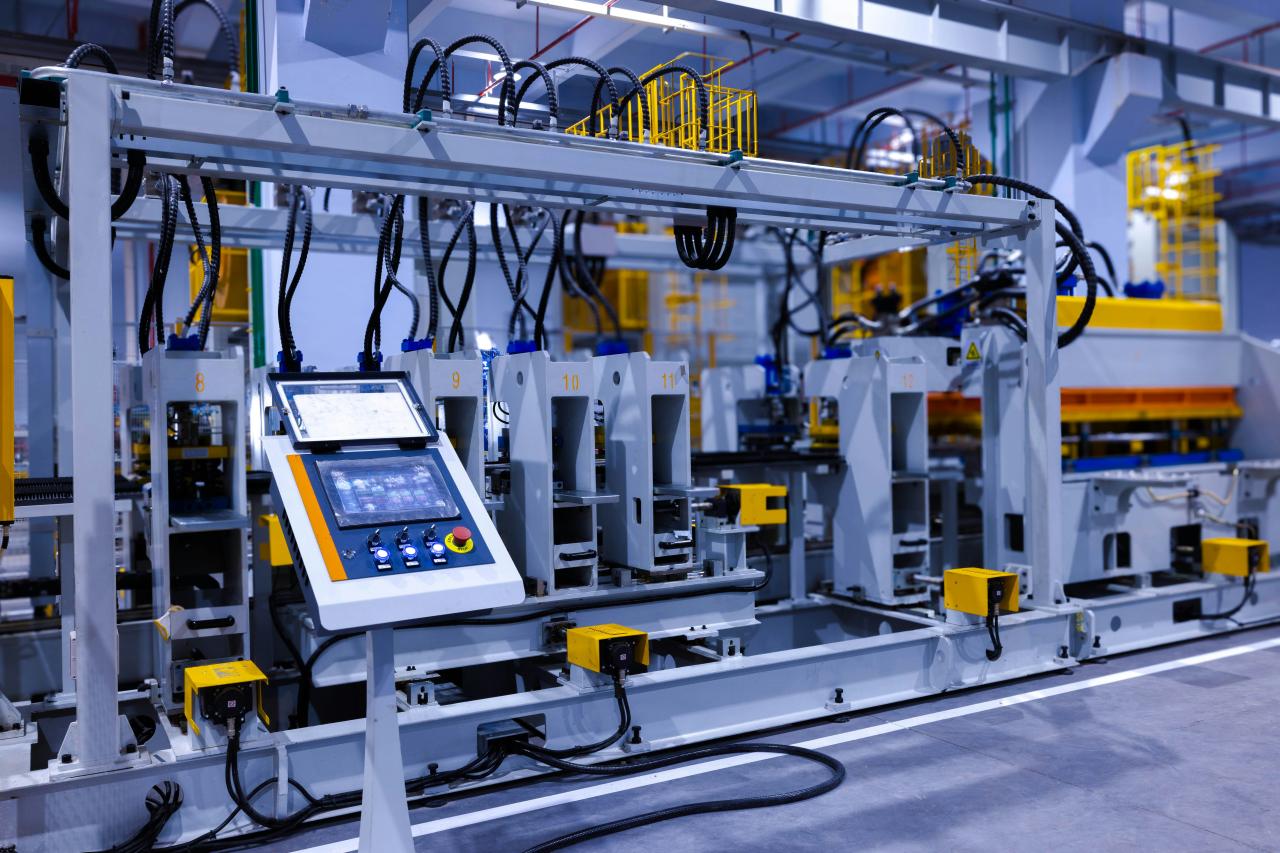
Enterprise efficiency is no longer a luxury but a fundamental requirement for survival. The adoption of automation tools is the only way to keep pace with modern market demands. Talent should be used for creative problem solving rather than repetitive data entry. Robotic Process Automation is the first step toward a fully digital business model. Intelligent workflows allow your company to predict and prevent problems before they occur. The cloud provides the scalable foundation needed for global collaboration and growth. Customer experience is the ultimate battlefield where automation can provide a winning edge.
Data security must be automated to protect against increasingly sophisticated cyber threats. Low-code platforms empower every employee to become a driver of digital innovation. Legacy systems can be modernized through clever integration rather than expensive replacement. The future belongs to the “hyper-automated” enterprise that can adapt in real-time. Investment in these tools is an investment in the long-term resilience of your organization. Start your automation journey today to unlock the true potential of your workforce.